Background
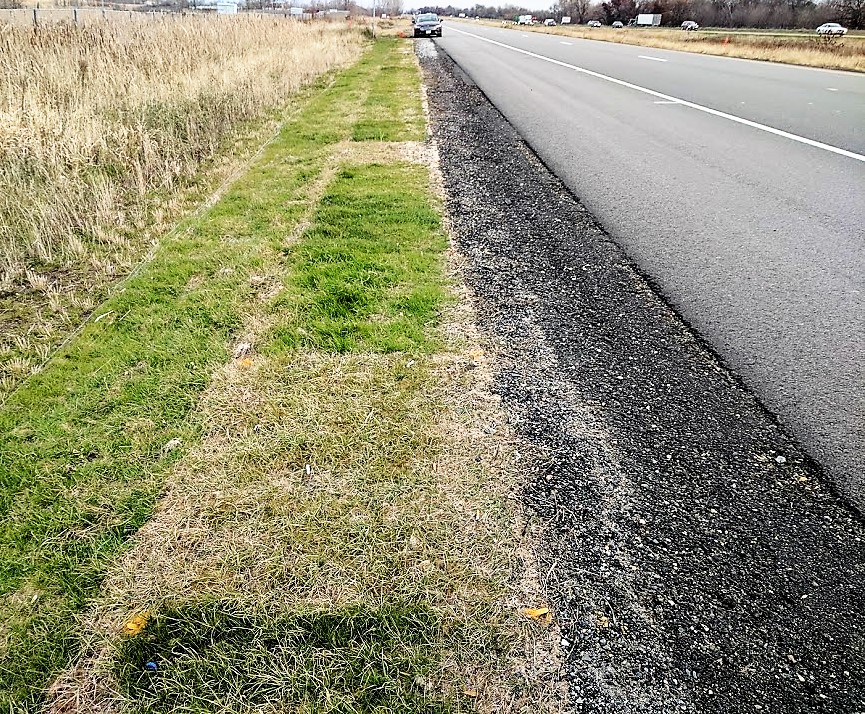
Roadside vegetation plays a critical role in preventing soil erosion, improving roadway aesthetics, and supporting environmental quality. However, Minnesota’s wide variation in soil conditions and climate makes it challenging to identify turfgrass seed mixtures that are both resilient and cost-effective statewide. Building on earlier research, this Phase 2 project was undertaken to evaluate region-specific seed mixtures through extensive field trials and to provide practical economic guidance for roadside vegetation establishment.
Our goal was to develop seed mixture recommendations to improve establishment and development of roadside vegetation in Minnesota.
Methods
Field trials were conducted at 14 sites across Minnesota using 40 turfgrass seed mixtures. Vegetation establishment and coverage were monitored biannually. Soil characteristics, weather conditions, and weed seed bank data were collected and analyzed. An economic analysis was performed to develop predictive cost models for roadside turfgrass establishment.
Key Outcomes
- Demonstrated that higher species richness in seed mixtures improved and stabilized vegetation coverage across sites.
- Identified regional seeding clusters aligned with Minnesota’s north, central/south, and poor-soil regions.
- Recommended three optimized seed mixtures per region for improved roadside establishment.
- Developed an Excel-based budgeting tool to estimate installation costs, including seed, labor, water, sod, and fertilizer.
Impact
The project provides science-based guidance that enables transportation agencies and local governments to improve roadside vegetation performance while reducing long-term maintenance costs, erosion risk, and environmental impacts.

Sponsored by
Minnesota Local Road Research Board